

Ebola
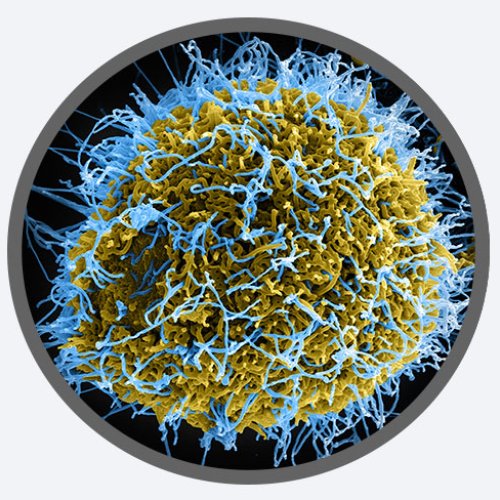
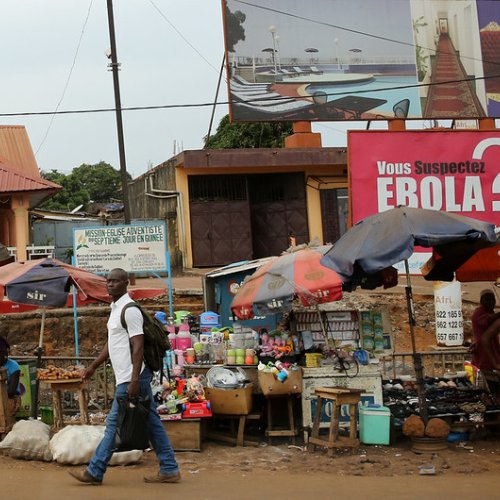
Ebola virus disease (EVD) is a severe, often fatal illness that has affected communities across Central, East and West Africa for more than four decades.
Why an Ebola data platform
Although many organisations collected valuable clinical, laboratory and epidemiological data during outbreaks, these datasets were often:
- Fragmented – held by different organisations and difficult to bring together
- Inconsistent – collected using varying methods, formats or case definitions
- Too limited for meaningful comparison – especially where data were available only from single sites
- Constrained by geography or referral patterns, restricting broader insights
- Incomplete, with gaps in case follow-up
- Underpowered for key groups, such as children, pregnant women or people with co-morbidities
These limitations made it difficult to generate comprehensive, reliable evidence to support patient care and outbreak response.
The IDDO Ebola Data Platform was established to address these gaps by standardising and pooling existing individual participant datasets from governments, NGOs, treatment centres and research groups. By bringing this information together in a harmonised structure, the platform enabled more robust analyses, supported evidence-based improvements in patient care and helped answer long-standing questions about disease progression, risk factors and the effectiveness of outbreak response.
What we did:
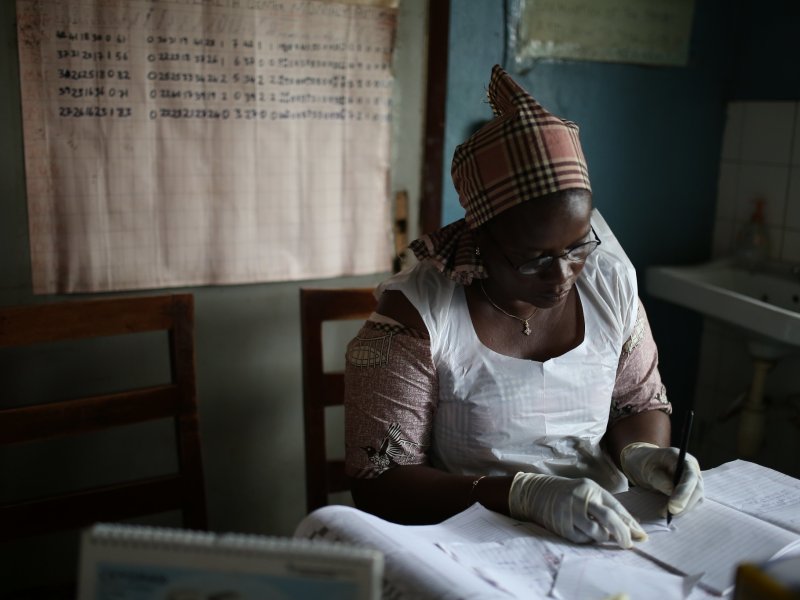
Established the first global, harmonised Ebola data repository. The platform pooled individual participant data from governments, NGOs, treatment centres and research groups into a single, harmonised structure. This unified resource enables analyses that were not possible with isolated datasets, strengthens evidence for patient care, and helps answer long-standing questions about disease progression, risk factors and outbreak response.
Supported researchers in affected countries to make use of the data in their work. We developed research capacity for scientists in Liberia, Sierra Leone, Guinea and neighbouring through training, mentorship and collaboration in data management, statistical analysis and scientific writing. Read more about our training and engagement work
Addressed the research priorities of the communities affected by Ebola to improve treatment and outbreak response; read the Research Agenda
Establish a multi-disciplinary collaboration equipped to deliver policy-changing evidence that supports patient care reduces the impact of future outbreaks: Collaboration with ministries of health, academic partners, NGOs and response teams ensured that platform activities reflected local priorities and supported regional capacity. View the Ebola Steering Committee
Governance
Steering Committee
The Ebola Steering Committee defined the platform’s strategy, policy and long-term direction. It also worked to ensure community engagement and helped secure the platform’s sustainability.
Members included:
- Liberia Ministry of Health
- Sierra Leone Ministry of Health and Sanitation
- Guinea Ministry of Health and Public Hygiene
- West African Health Organisation (WAHO)
- World Health Organization (WHO)
- Wellcome Trust
- International Medical Corps (IMC)
- University of Oxford
- Médecins Sans Frontières (MSF)
- West African Taskforce for Emerging and Re-Emerging Infections (WATER)
Questions
Email us at info@iddo.org