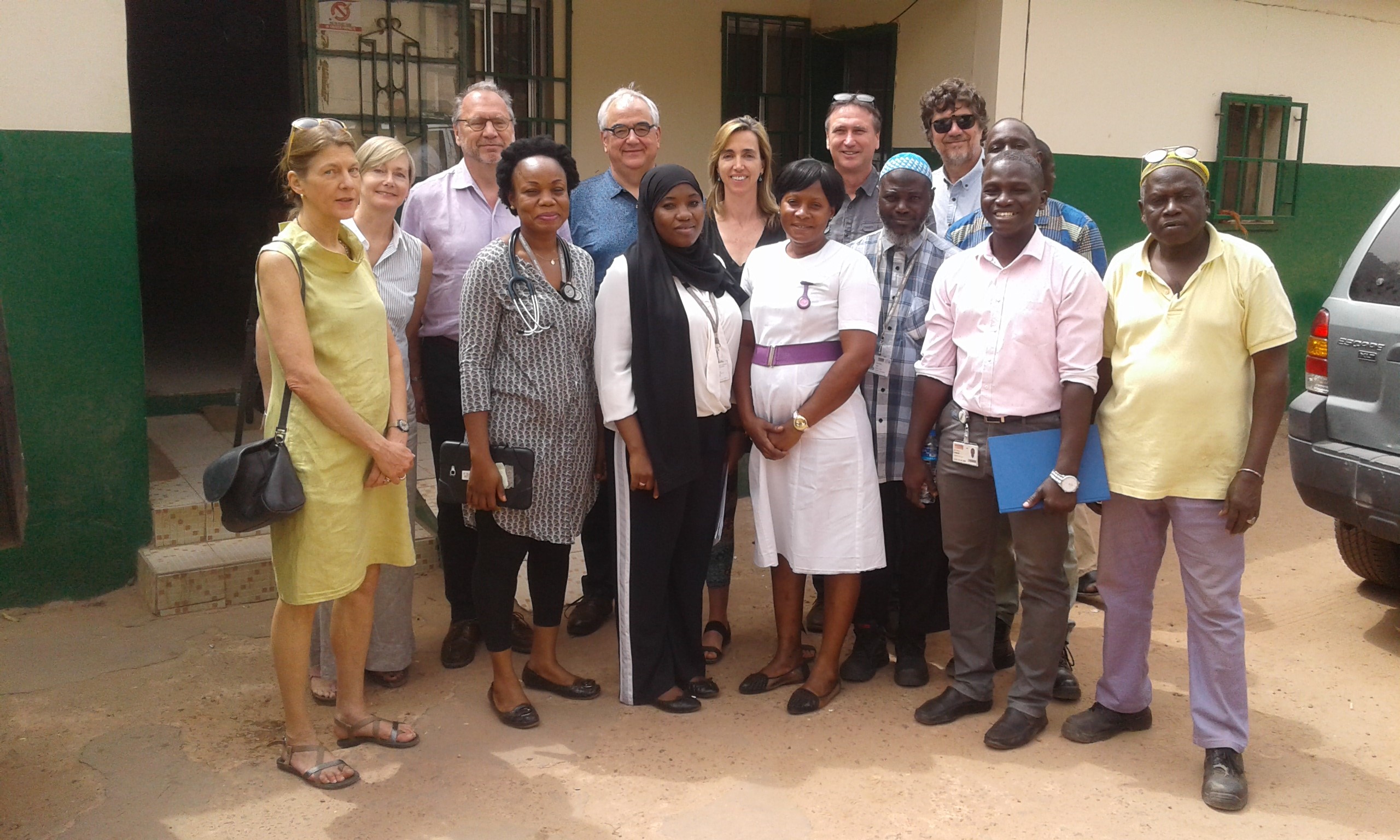

Introducing new WHO/TDR Fellow Dr Nathalie Beloum
27 Nov 2025
We’re delighted to welcome Dr Nathalie Beloum to IDDO as a WHO/TDR Clinical Leadership Fellow for the next 12 months.

Join us as we share Nathalie’s journey through her Fellowship over the coming months: we’ll talk about the projects she’ll be leading in Oxford, and how this experience strengthens her career while supporting colleagues at her home institution.
Originally from Burkina Faso and based in The Gambia, Nathalie has a Doctorate in Medicine from the University of Ouagadougou, and a Master of Public Health from the University of Bordeaux, France. She has worked in general medical practice and health district leadership with Burkina Faso’s Ministry of Health, as well as a research clinician at the Medical Research Council Unit The Gambia (part of the London School of Hygiene & Tropical Medicine, UK).

Tell us about your role at your home institution
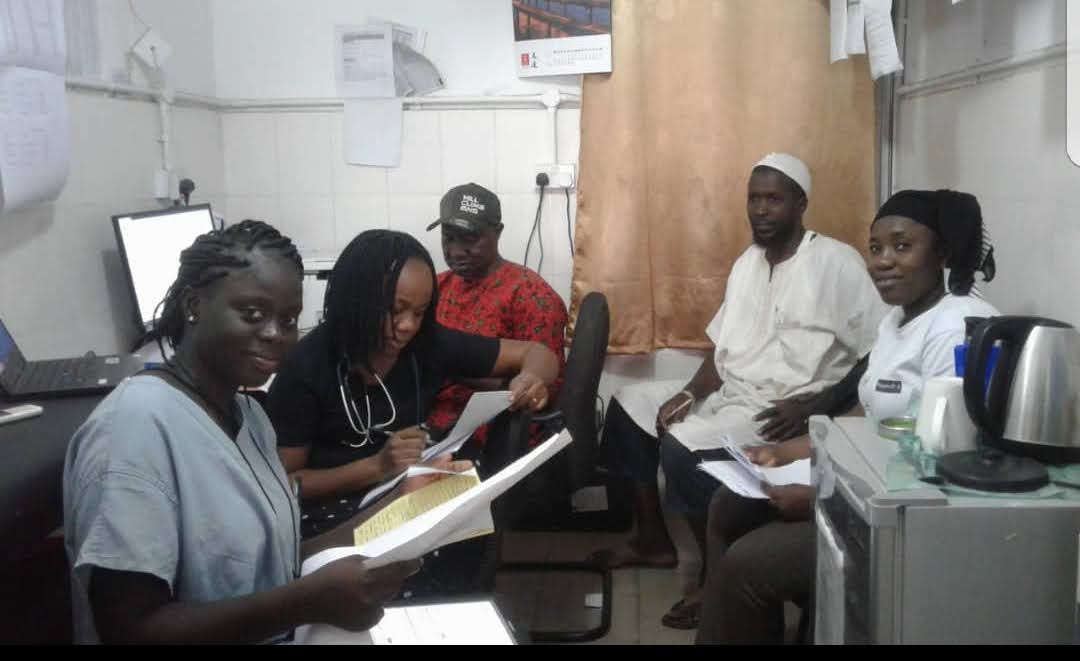
Since October 2024, I have been a PhD student with the University of Barcelona, Spain. My PhD focusses on intrapartum-related asphyxia in Sub-Saharan Africa - a serious condition in which reduced blood flow during labour deprives the foetus of oxygen, leading to serious complications such as early neonatal hospitalisations, deaths, and long term impairments such as cerebral palsy. Compared to high income countries, rates of perinatal asphyxia are ten times higher in countries with more limited maternal and newborn care access.
I am exploring the burden, risk factors and treatment options for this condition in Sub-Saharan Africa, so that the limited resources available can be directed to maximise benefits to new mothers and their babies. My work included data collection, cleaning, analysis and writing papers: to meet my PhD by publication requirements, I need to publish at least three manuscripts as a first author by the end of my four-year PhD. Two of my publications have already been accepted for publication, so I’m half-way there!
What interested you about the WHO/TDR Fellowship?
I applied to this fellowship because I wanted to improve my clinical research leadership skills, which is something that the programme offers. Although I have worked in clinical research for more than ten years in a well-known institution, I’ve never had had the opportunity to really focus on learning new research leadership skills: I hope to improve and consolidate my skills in data analysis, study designs and grant writing. I also wanted to experience clinical research implementation in a different research field, in a more developed country, as well as collaborating with experts and building an international research network.
How was the application process?
Being contacted for an interview with IDDO was unexpected and a really good surprise: I had initially thought I was not a good candidate for the institution! I considered the interview as an opportunity to explore new domains of clinical research and gain new knowledge and skills for things like data sharing, data analysis, and especially evidence-based synthesis, where I had only basic knowledge. And as I always tell myself, “nothing comes by hazard”; I told myself: “take this opportunity seriously, something important and good will come from it… “That’s how I choose IDDO among three other institutions that selected my application.
What are you currently working on at IDDO?
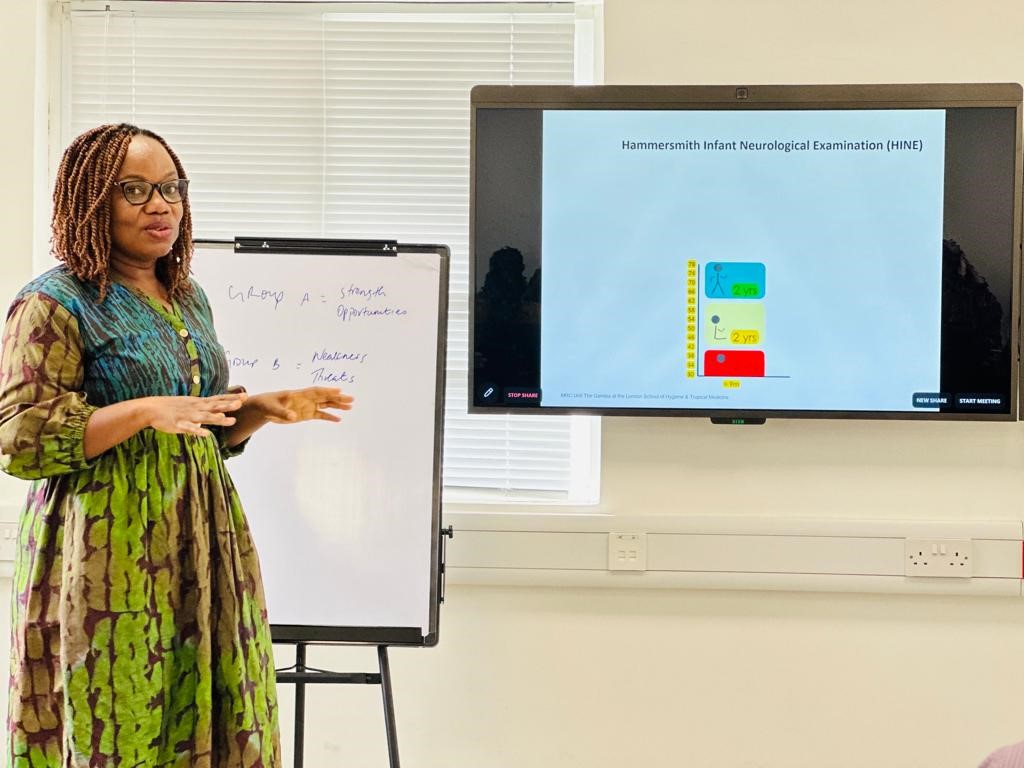
I am currently working on two projects. The first is a living systematic review on malaria chemoprevention in pregnancy, the very first living systematic review on this important topic. As part of this project, I will explore the efficacy and safety of the Intermittent Preventive Treatment of malaria in Pregnancy (IPTp). This is a protocol where pregnant women living in areas with high to moderate Plasmodium Falciparum transmission receive a preventive dose of antimalarials, starting in their second trimester and continuing monthly until delivery. Currently, WHO recommends using Sulfadoxine-Pyrimethamine (1500mg/75mg) for intermittent preventive treatment for malaria during pregnancy.
Malaria during pregnancy exposes mothers and their unborn babies to multiple complications, including preterm delivery, low birth weight, and maternal anaemia. Worldwide, about 120 million pregnant women are at risk of malaria annually, with Sub-Saharan Africa bearing the highest burden. While the World Health Organization recommends IPTp amongst its package of interventions for preventing and controlling malaria during pregnancy, we don’t have very firm evidence about the safety and efficacy of IPTp use: numerous systematic reviews have evaluated the efficacy of malaria chemoprevention during pregnancy, but these are static reviews which can become outdated because of evolution of malaria control strategies, emerging resistance patterns, and changing policy environments.
A living systematic review which is continually updated as new evidence becomes available, offers a novel and timely approach to synthesizing the most current data. This dynamic methodology will not only ensure that stakeholders have access to up-to-date evidence, but also help identify research gaps and guide future investigations in malaria chemoprevention during pregnancy.
Our final aim is to reduce illness and deaths in mothers and babies caused by malaria during pregnancy.
The second project I’m working on evaluates maternal health services during pregnancy in Kenya and Burkina Faso, with a focus on antenatal care (ANC) and IPTp. This will be a secondary analysis of the Malaria in Mothers and Babies (MiMBa) study, a registry of childbearing age women in in Burkina Faso and Kenya that explores the safety of antimalarials in pregnancy (particularly in the first trimester). ANC is a key platform for maternal interventions during pregnancy, including for malaria prevention, but ANC coverage is still far below the target of eight visits set by WHO for Sub-Saharan Africa. Delayed and inconsistent ANC affects IPTp coverage, which impacts malaria prevention in this region and results in adverse maternal and neonatal outcomes. This project will determine the factors linked to access and use of maternal health services during pregnancy in Kenya and Burkina Faso. Our results can orient strategies and policies in the delivery of antenatal care services, including IPTp.
What are you looking forward to over the next 12 months?
Over this year of my IDDO placement, I look forward to:
- Contributing to the IDDO team’s work, by sharing my long-term clinical research knowledge and skills, acquired through working in the field in Sub-Saharan Africa
- Integrating into IDDO activities, including participating to the sciences team weekly meetings (including presenting my research…)
- Participating in training in data analysis, manuscript writing, systematic review and grant writing. This will help me gain confidence as a clinical research leader
- Improving my understanding of the concept of systematic review through practice: I hope to learn about how to design a systematic review protocol, how to search articles for a systematic review, how to screen and extract data from Covidence for a systematic review, and how to compile and write up the results of a systematic review
- Consolidating my skills in data analysis, particularly becoming more confident in using the statistical programming language R
- Understanding how clinical research data can be reused several times to achieve different studies objectives
- Making connections for future research collaborations
- Making friends
- Immersing myself in British culture
How will the Fellowship benefit your career and home institution?
This placement at IDDO is important for my PhD: part of my PhD requirement is to undergo training, and at IDDO I have this opportunity to be trained in different topics relevant to my PhD. This includes data analysis and manuscript writing, with the added value that I am working closely with experts in the field.
Before coming to IDDO, I had a very basic knowledge in systematic review, and having the chance to go through all the process including searching the topic, writing the protocol writing, screening the studies… I am well equipped to lead future systematic reviews which is a great achievement for me. Being exposed to an institution centred on data reuse and sharing, I now have more understanding of how data collected in the field can be shared, produce new scientific discoveries, and impact human health.
And how will it benefit your home institution / colleagues?
I intend to contribute significantly in my home institution by sharing with my peers the new skills and knowledge that I will acquire during my training at IDDO. If possible, I am planning to organise training sessions on systematic review which will help clinicians, PhD students and post docs to improve their skills in this topic. With the consolidated skills in study design and data analysis, I also expect to be able to design studies that can compete internationally for grants that will contribute to the growth of my institution.
What was your first impression of Oxford?
My early impression: coming from warm (hot) region, it was cold even though I arrived in April! And I just think why am I always with a jacket or sweater when people are with short sleeves? Will I survive here for 12 months?!
I have not yet had a really good opportunity to explore specifically British food; is there any traditional meal specific to Oxford? Is there a typical Oxford outfit? I will try to explore this during the rest of my fellowship.