

Medicine Quality Research
Substandard and falsified (SF) medical products threaten lives, fuel drug resistance, and deprive patients and governments of the scarce resources they need to secure effective care.
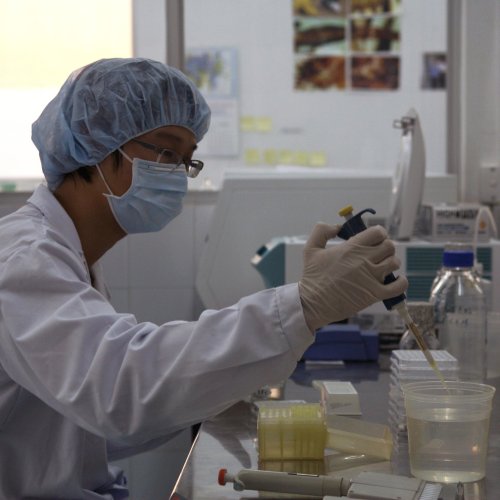

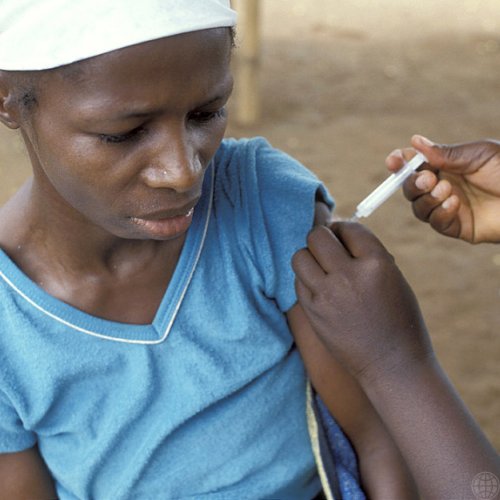
Medicine Quality Research Group
IDDO’s Medicine Quality Research Group works to build the evidence, tools, and collaboration needed to ensure that everyone, everywhere, has access to safe, effective, quality-assured medicines.
About substandard and falsified medical products
Access to quality medicines is a basic right and a cornerstone of public health. Yet SF medical products — including vaccines, biologics, diagnostic tests and medicines — remain widespread.
Substandard products arise from errors, negligence, corruption, or poor practice in manufacturing, procurement, regulation, transport or storage. Falsified products, on the other hand, are the result of deliberate criminal fraud.
The issue is growing more complex as global supply chains and online sales expand. Reports of poor-quality medicines appear in every region, though they are most common in low-income settings where surveillance is limited. The World Health Organization estimates that one in ten medical products circulating in low- and middle-income countries is substandard or falsified — yet the true scale remains unknown.
The impact is profound. SF medical products cause preventable illness and death, waste limited resources, and contribute to antimicrobial resistance. Addressing the problem requires coordinated global research, better data, and sustained collaboration among governments, manufacturers, healthcare professionals, and researchers.
What we do
We bring together global expertise and data to understand and tackle the problem of SF medical products. By collecting, curating and sharing information, we support evidence-based responses to improve the safety and effectiveness of medicines worldwide.
We do this by:
Collating data and evidence: combining information from diverse sources to map the prevalence and distribution of SF medical products globally. View the Medicine Quality Monitoring Globe
How we work
The Medicine Quality Scientific Advisory Committee (SAC) advises on the technical and research activities of the theme. Appointed from across the medicine quality and broader scientific research community, SAC members have significant expertise in research, pharmacy, ethics and policy.
The SAC is a forum for independent discussion and advice on diverse ethical, scientific and political challenges facing the Medicine Quality Group, such as the appropriate dissemination of information and data sharing, ethical issues of sampling, and on relationships with the pharmaceutical industry, governments, NGOs, academia, regulators and international organisations. The SAC provides feedback and perspectives from wider stakeholders in the scientific community in areas of relevance to Medicine Quality.
Questions
Email us at medicinequality@iddo.org