

Dashboard on portable devices for medicine quality screening
An interactive digital tool to make information on portable screening devices accessible, understandable and meaningful
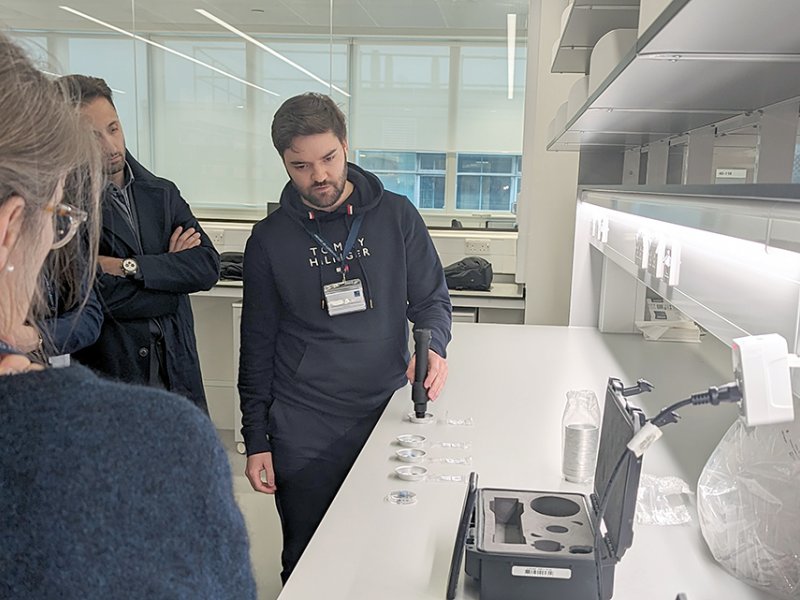
Portable devices can rapidly detect substandard and falsified medicinal products in the field, and both the number of devices and related scientific literature is growing. But medicine regulatory authorities considering these tools for their supply chains can struggle to identify, access and compare the available evidence. The DAFODIL interactive digital tool makes this information accessible, understandable and meaningful.
Screening technologies for substandard and falsified medicines – great hope, little evidence
The Context
‘Prevent, detect and respond’ are the three pillars of the World Health Organization (WHO) strategy to fight harmful substandard and falsified (SF) medical products. However, the detection of these products remains a challenge in many low-resource settings. Medicine Regulatory Authorities in low- and middle-income countries currently often have to rely only on their observations and knowledge as they monitor the medicines available in their supply chains.
Portable screening technologies offer the potential for a more objective analysis of medicines in the field. But two separate reviews highlight how it can be difficult to assess which device to use:
- A systematic review of the scientific literature published in 2018 by the Medicine Quality Research Group (MQRG) found 62 articles about testing the performance and characteristics of 41 portable devices. This review found that there is no single ‘magic bullet’ device that can successfully assess every pharmaceutical products and formulation. Device performance testing methods vary, and there are gaps in evidence about the technical abilities of most of the devices.
- Global landscape assessment of screening technologies for medicine quality assurance interviewed stakeholders (mostly regulators) from ten countries in all WHO regions (other than Europe) on the use of screening technologies. Participants described a lack of objective and accessible information on field screening technologies, especially on their capabilities and operation, such as training needed or access to local maintenance.
The field continues to grow: since the publication of these reviews, the Medicines Quality Research Group has identified 75 additional research studies, 19 of them describing newly developed or improved versions of existing devices. Market analysis paper predicts a 1.5-fold expansion of the demand for falsified medicines detection devices in 2022-2029, for a market already valued at $1.14 billion in 2022.
Many more portable screening devices will reach therefore enter an expanding market, with more scientific studies on these devices. Without the right tools to access and understand the available evidence, decision-makers will struggle to identify and analyse this work, and to translate this data into policy.
DAFODIL
The DAshboard for Field-pOrtable screening Devices (DAFODIL) is an interactive digital tool developed with feedback from regulators and health decisionmakers in low and middle income countries. Updates on our 2018 systematic review will continue to feed into this tool.

Funders
We are very grateful for the funding for this work from the Gates Foundation.
Advisors
Literature
- Field detection devices for screening the quality of medicines: a systematic review. BMJ Global Health 2018
- Global landscape assessment of screening technologies for medicine quality assurance: stakeholder perceptions and practices from ten countries. Global Health 2018
- Counterfeit Drug Detection Device Market is estimated value of around US$ 1.14 Billion as of 2022. PharmiWeb.com