
A Tribute to Professor Sir Nicholas White:1951 - 2026
It is with great sadness that we learnt of the passing of Professor Nicholas J. White, and our thoughts are with his family at this time.
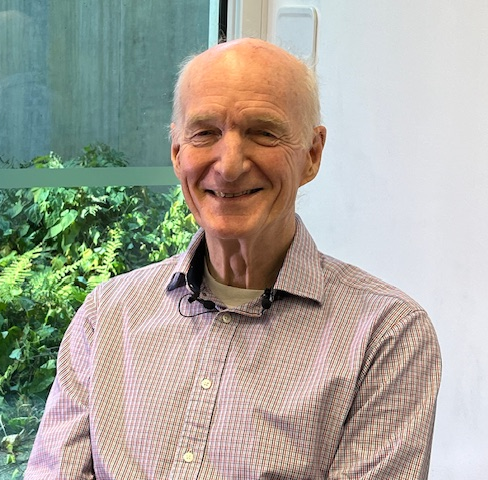
Nick White was Professor of Tropical Medicine at the University of Oxford and Mahidol University in Thailand. He was a central figure in the development of the Mahidol Oxford Tropical Medicine Research Unit (MORU) and its sister unit, the Oxford University Clinical Research Unit (OUCRU) in Vietnam. In these endeavours he was supported by the Wellcome Trust throughout his career.
Nick was deeply involved in the development of WWARN and IDDO from their inception. He was elected as the first Chair of the WWARN Board in 2009 and served until 2016. When IDDO was launched in 2016, he transitioned to become a member of the IDDO Board, a position he held until his passing. His vision, leadership, and generosity of spirit shaped the organisation in profound and lasting ways.
Beyond his foundational role in WWARN and IDDO, Nick was an internationally renowned scientist whose impact on global health cannot be overstated. Over more than four decades, his research was pivotal to the conceptualisation and development of the first artemisinin-based combination therapies. He not only published extensively in this field but also advised drug developers, helping to translate science into life-saving treatments. For the treatment of severe malaria, Nick designed and led the pivotal studies in Asia and Africa demonstrating the superiority of injectable artesunate over the then-standard treatment, quinine. These findings transformed global clinical practice and saved countless lives. He also served on numerous WHO expert committees, contributing to the development of multiple malaria treatment guidelines that continue to shape policy worldwide.
His role in the genesis and development of the Mahidol–Oxford Tropical Medicine Research Unit (MORU) in Thailand, and later the Oxford University Clinical Research Unit (OUCRU) in Vietnam was of profound importance. Through these platforms and the creation of field units in South and South East Asia regions, Nick enabled and inspired a wide range of highly influential research programmes, including work on melioidosis, scrub typhus, influenza, COVID-19, and other major infectious diseases.
Nick was a passionate advocate for building sustainable research capacity in low- and middle-income countries, consistently emphasising the importance of enabling local researchers to lead and innovate. His support extended beyond policy into personal mentorship and concrete engagement with research networks like the CERCLE coalition, helping to create platforms where scientists from diverse settings could contribute meaningfully to global health science.
We extend our deepest condolences to Nick’s family, friends, and colleagues globally. For those of us who had the privilege of knowing him personally, Nick was not only an exceptional and visionary scientist, but also a remarkably warm individual—generous with his time, thoughtful in his mentorship, and possessed of a distinctive sense of humour that endeared him to so many.
He will be greatly missed.
James Watson & Philippe Guérin