


Simplifying mass drug administration
Researchers in Argentina have used individual patient data from IDDO’s repositories to demonstrate that age-based guidelines for ivermectin anti-worm treatment would work better than the current weight-based recommendations, substantially reducing underdosing.
The problem
Ivermectin is an effective, widely used antiparasitic for soil-transmitted helminth (intestinal worm) infections, which can cause malnutrition, stunted growth, impaired cognitive development and poor school performance.
Hundreds of millions of people each year are eligible for ivermectin mass drug administration programmes each year – ivermectin is used to treat and prevent many parasitic diseases, including intestinal worm infections.
But there is a problem: current recommendations base ivermectin dosage on the height and/or weight of the patient, but this requires equipment which may not always be at hand, and it makes the process slower – an important consideration for mass campaigns where preventative treatment is being given to hundreds of millions of people.
In contrast, asking a patient their age is really quick and easy. But would age-based dosing for ivermectin work?
The solution
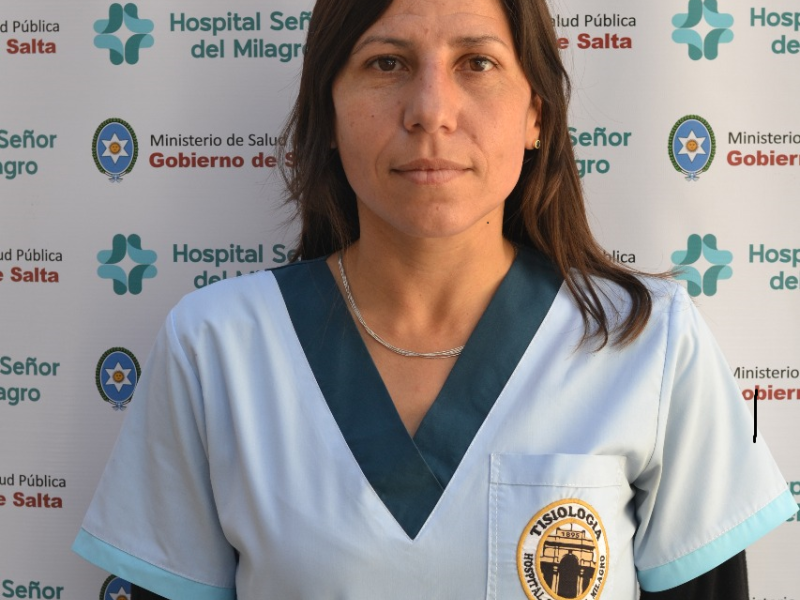
Dr Adriana Echazu and her colleagues explored if basing ivermectin dosing on age would still result in at-risk populations getting the right dose. To answer this question, the research team needed a large, diverse dataset which contained individual-level height, weight, age and sex data from people living in countries where intestinal worms are endemic. They gathered this data from:
- IDDO’s data repositories
- Demographic and Health Survey (DHS) study
- Published datasets on helminth treatments from other sources
- Their own clinical studies across Latin America.
In total, they assembled a dataset with information from over 1.2 million participants, then whittled it down to 741,700 participants from 53 countries after cleaning and standardising the data (to remove incomplete and implausible records, for example). The researchers then worked out what ivermectin dose each participant would receive, based on current weight-based guidelines.
But since their data included age as well as weight for each participant, they could go further, and model a counterfactual about what ivermectin dose each participant would receive if they being given the dose based on their age, rather than their weight.
“We found that this fixed age-based dosing would work”, said Dr Echazu, “Over 80% of the participants would receive the right dose, based on validating our proposed age-based dosing scheme against existing weight and height-based dosing.”
“This simplification doesn’t just avoid individual patient measurements – it enables a ‘one person, one pill’ strategy, a significant operational advantage when you’re giving medication to such large numbers of people. This approach also paves the way for combining ivermectin with other anti-parasitic drugs in mass-drug administrations.”
Dr Echazu’s results also support new drug formulations that would potentially allow even simpler, fixed dose single pills. She said: “At the moment, Ivermectin is only available in 3 mg tablets, and to meet current height/weight-based recommendations for ivermectin, health care workers have to work out the right number of multiple pills for each person during mass drug administration. But our results also suggest that if ivermectin formulations of 3, 9 and 18 mg would cover the full range of everybody getting ivermectin mass drug administration.”
Why this is important
Dr Echazu’s work demonstrates that age-based ivermectin for intestinal worm treatment is both safe and practical – this could streamline future ivermectin mass drug administration campaigns in endemic countries, by removing the need for weighing scales or height tapes altogether.
Dr Echazu said: “The data in IDDO’s repositories was really important, especially for school-aged children – a key group for mass drug administration, where we didn’t have enough data from other sources.”
Dr James Watson, IDDO’s Associate Director, said: “Most of the data from school-age children used in this study was actually from malaria research, rather than work on soil-transmitted helminths.
“But this is a really good example of how standardised, individual participant level data is really multipurpose, and making it available for re-use enables new findings, making the most efficient use of all the effort put into data collection.
“This study would not have been possible based on either standard meta-analysis, or based on completely anonymised data, as it’s the individual data on age, height and weight that was important here.
“We hope many more researchers use the rich datasets in IDDO’s repositories that have been contributed by scientists across globe, to generate new findings of their own.”
The European Medicines Agency (EMA) has now adopted a positive scientific opinion for a fixed dosing of ivermectin with another antiparasitic, albendazole to treat soil-transmitted helminths as well as lymphatic filariasis, potentially paving the way for a fixed dose to be used in mass drug administrations.
Read the full paper, ‘Fixed-dose ivermectin for Mass Drug Administration: Is it time to leave the dose pole behind? Insights from an Individual Participant Data Meta-Analysis’