
Our approach
Our vision is a world in which all patients affected by neglected and emerging infections receive safe and effective treatment. Our mission is to enable responsible data sharing and analysis that accelerates better treatment and control of infectious diseases, with a particular focus on the needs and priorities of resource constrained countries.
Equity is integral to our mission, and we promote equitable participation through:
- Our scientific advisory committees: composed of international experts working in endemic countries, these committees identify the most relevant scientific questions and set the agenda for our work.
- Working in equal partnership with institutions and researchers in regions most affected by the diseases we study. Our work—whether defining research priorities, developing capacity-building tools and resources, or doing science that helps inform health policy—is driven by the of the global research community, and ultimately aims to improve the lives of people affected by the diseases we study
- The WHO TDR Clinical Research and Development Fellowships: we host two fellows on the WHO’s Special Programme for Research and Training in Tropical Diseases (TDR) each year, and have done so over 10 years: we have trained more than 20 early to midcareer investigators from Africa, Asia, and Latin America in systematic review, meta-analysis, and data governance.
- AfOx Fellowships: the Africa Oxford Initiative Visiting Fellowship Programme is specifically designed to allow exceptional African researchers to build international networks and collaborate on a project of their choice with Oxford-based researchers. In 2025-26, we are welcoming three AfOx fellows
- Master and doctoral students: As part of our capacity-building programme, we train emerging scientists from disease-endemic countries to become self-sufficient in addressing their own health research priorities. Our master’s and doctoral students work directly with real-world clinical datasets (whether already in the IDDO repository or collected specifically for their work), gaining practical experience with the kinds of heterogeneous, variable-quality data they will encounter in their home settings. This hands-on training builds analytical expertise and confidence in using complex datasets to answer critical scientific and public health questions that students can continue to use in their home countries.
Current TDR WHO Fellows
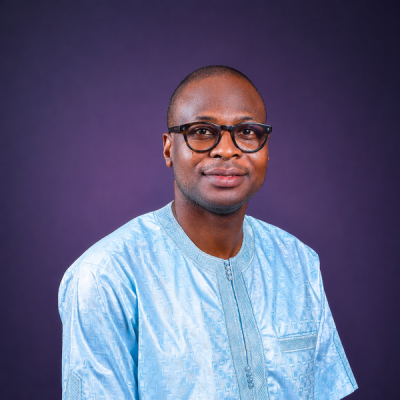
Dr Essoham Ataba
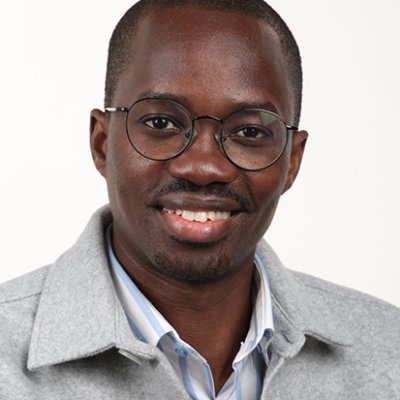
Boris-Enock Zinsou
Former TDR WHO Fellows
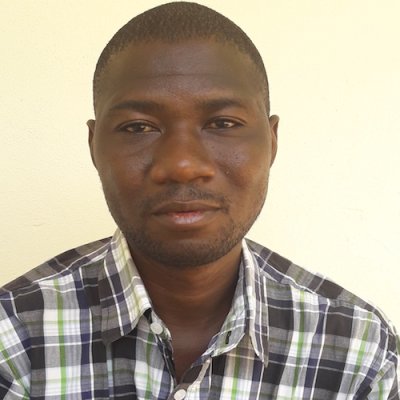
Dr Paul Sondo
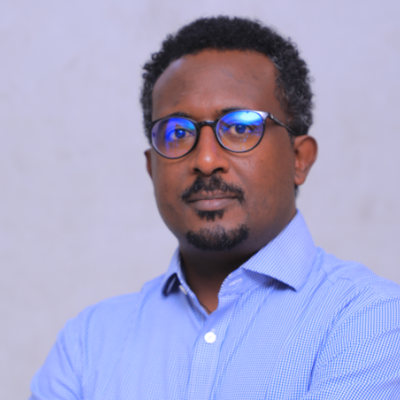
Dawit Getachew Assefa
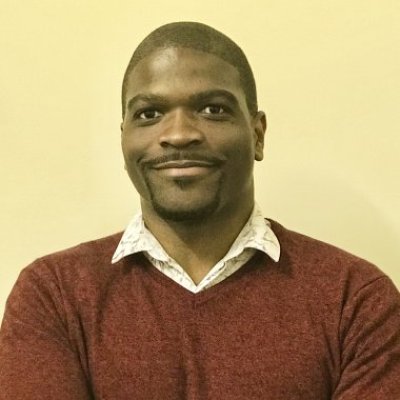
Dr Clifford Banda
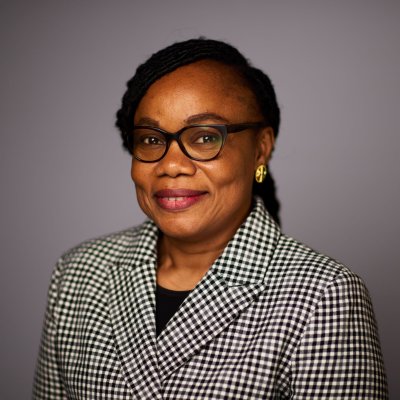
Dr Nathalie Beloum
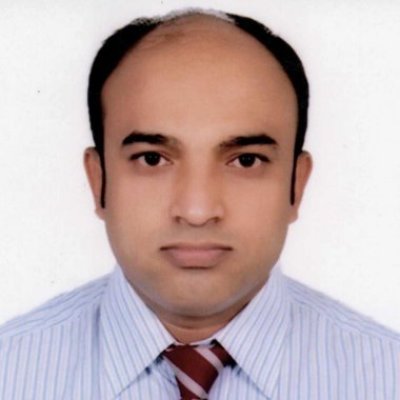
Mohammad Sharif Hossain

Dr Juan Hurtado-Zapata
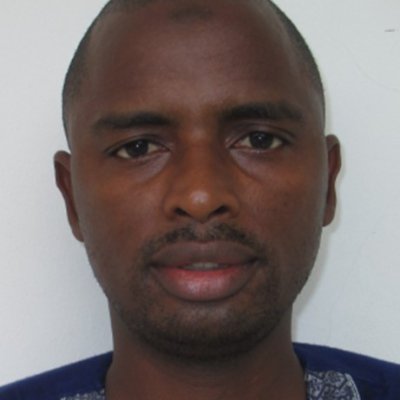
Amadou Woury Jallow
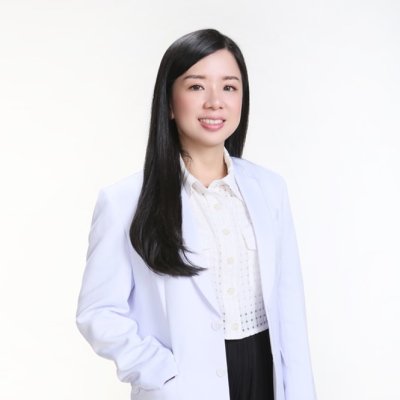
Dr Cindy Kesty
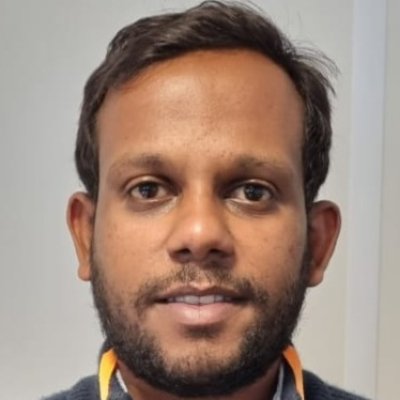
Abdalla Munir
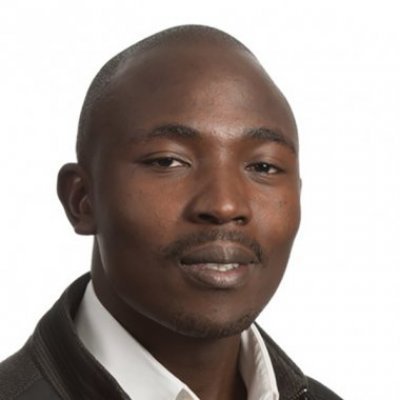
Michael Ochieng Otieno

Dr Kwame Oneill

Dr Mahamoud Sama Cherif
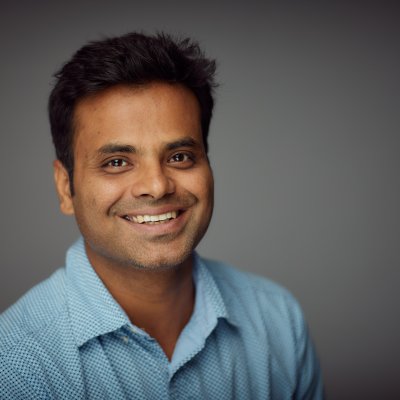
Dr Sauman Singh
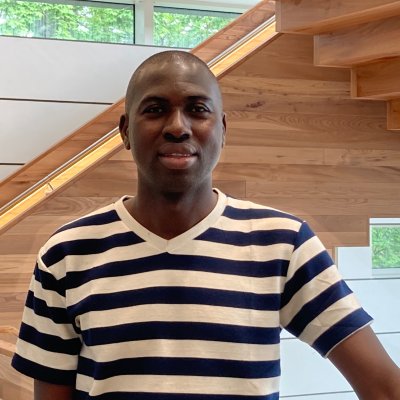
Dr Aboubakar Soma
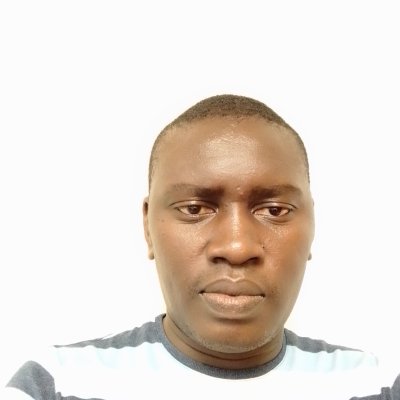
Jeannhey Christevy Vouvoungui
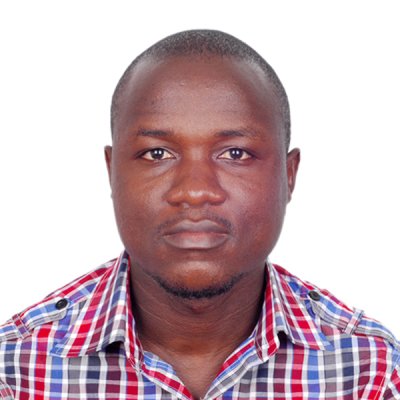
Trokon Yeabah
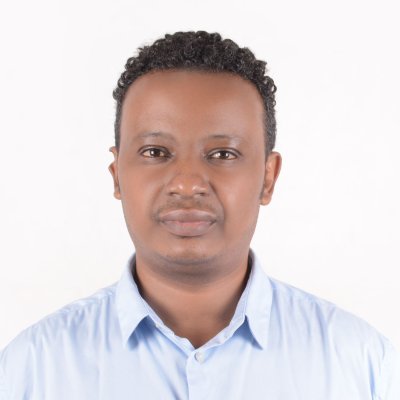
Professor Daniel Yilma