IDDO Logo
  • About us
    • About us
    • Governance
    • IDDO Team
    • Our partners
    • Contact us
  • Data
    • Explore data
    • Accessing data
    • Contributing data
    • Why share your data
    • Frequently Asked Questions
    • IDDO legal and regulatory documentation
    • Data Access Guidelines
  • Science
    • Science
    • WWARN malaria
    • Visceral leishmaniasis
    • COVID-19
    • Medicine Quality
    • Antimicrobial Resistance
    • Schistosomiasis & STHs
    • Chagas Disease
    • Ebola
    • Febrile illness
    • Scrub typhus
    • Trachoma
    • Other diseases
  • Equity
    • Our approach
    • IDDO Blogs
  • News
  • Publications
  • About us
    • About us
    • Governance
    • IDDO Team
    • Our partners
    • Contact us
  • Data
    • Explore data
    • Accessing data
    • Contributing data
    • Why share your data
    • Frequently Asked Questions
    • IDDO legal and regulatory documentation
    • Data Access Guidelines
  • Science
    • Science
    • WWARN malaria
    • Visceral leishmaniasis
    • COVID-19
    • Medicine Quality
    • Antimicrobial Resistance
    • Schistosomiasis & STHs
    • Chagas Disease
    • Ebola
    • Febrile illness
    • Scrub typhus
    • Trachoma
    • Other diseases
  • Equity
    • Our approach
    • IDDO Blogs
  • News
  • Publications
LOGIN
Please note that the content has been automatically translated from English original. There may on occasion be slight inaccuracies in this automatic translation

WWARN News

Please visit WWARN's website for regular updates on malaria and sign up for the WWARN newsletter here. 

Credit: Pearl Gan
Prof Sir Nicholas White
Wednesday, 11 January 2017

Prof Nicholas White recognised for contributions to global health in UK's New Year's Honours 2017

Congratulations to Prof Sir Nicholas White, former chair of the WWARN Board, who was recently appointed a Knight Commander of the Order of St Michael and St George for services to tropical medicine and global health.
Tuesday, 10 January 2017

Launch of the first malaria therapeutic area data standard and new Case Record Form (CRF)

We are pleased to share with you the launch of the first malaria therapeutic area data standard (TAUG-malaria), developed in close partnership with the Clinical Data Interchange Standards Consortium (CDISC). CDISC facilitates the development of standards that support clinical data gathering, exchang...
Tuesday, 10 January 2017

New programme launches molecular and in vitro surveillance of ACT partner drug efficacy in the Greater Mekong Subregion (MIVS-ACT)

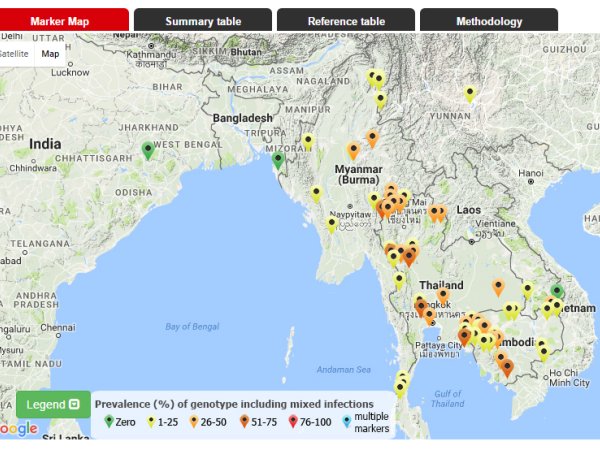
A new project funded by the French 5% Initiative on AIDS, Tuberculosis and Malaria has launched to provide close to real-time information on the prevalence and distribution of molecular markers of ACT drug resistance across the Mekong Greater Subregion.
Tuesday, 10 January 2017

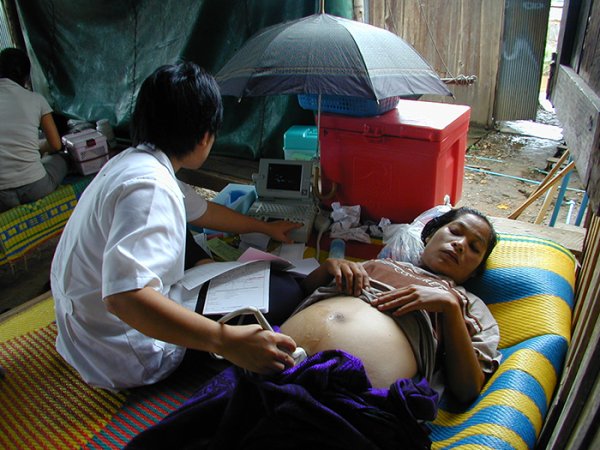
Pregnant mums matter, especially when at risk of malaria

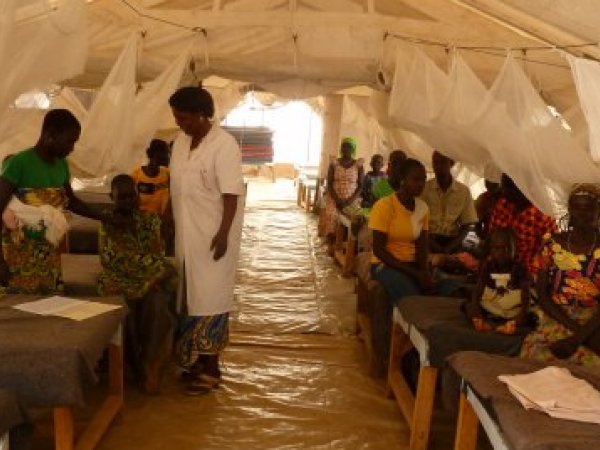
Poor women in remote areas are the least likely to receive adequate health care. This is particularly true for regions with insufficient skilled health workers, such as in sub-Saharan Africa and South Asia.
Monday, 9 January 2017

Pharmacokinetic analysis supports improvements to antimalarial dosing regimens

New pharmacokinetic model has enabled revised dose regimen to safely treat all malaria patients with DP, including young children.
Monday, 9 January 2017

Malnourishment and malaria in children – how does it affect treatment outcomes?

Researchers have investigated the efficacy and pharmacology parameters of the commonly used artemisinin combination therapy, artemether-lumefantrine (AL), in children with severe malnutrition and compared it with those who were not malnourished.
Monday, 9 January 2017

Two Lancet Infectious Diseases papers highlight the importance of monitoring the failure of dihydroartemisinin-piperaquine treatment for malaria in Cambodia

Monday, 9 January 2017

Two malaria treatments exert opposite selective pressures on the malaria parasite

Study suggests deployment or rotation of multiple first-line antimalarial medicines will effectively treat malaria and maintain drug efficacy.
Wednesday, 14 December 2016

WHO releases 2016 World Malaria Report

Over the past decade, the global health community has made huge gains in the battle against malaria. The World Health Organization’s annual World Malaria Report, out this week, highlights gains in vulnerable populations and challenges in global coverage.
The Mercury (Hobart, Tasmania 1860-1954), Friday 3 May 1946, p7
Tuesday, 13 December 2016

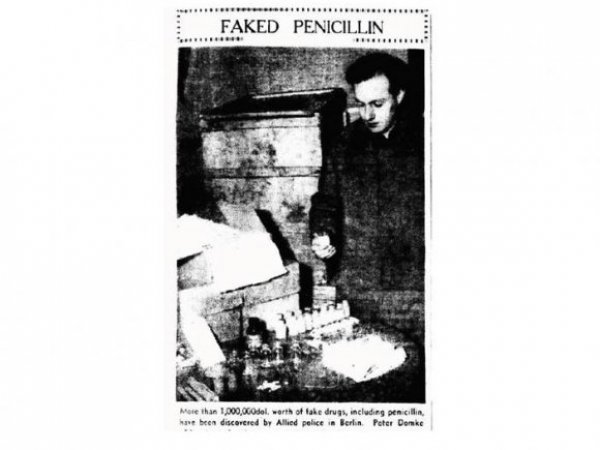
Investment in medicine regulatory authorities key to fighting the 21st Century ‘Third Man’

In an article published today in The BMJ’s online Christmas edition, Prof Paul Newton, Head of the Medicine Quality Group at the Infectious Diseases Data Observatory, visits the history of falsified medicines and highlights what needs to be done to avert a problem that threatens us all.
Monday, 12 December 2016

New report details WHO efforts to eliminate malaria in the Greater Mekong Subregion

A report from WHO provides the Greater Mekong Subregion with approaches necesssary to eliminate malaria in the region.
Credit: DNDi
Monday, 21 November 2016

A harmonised platform for visceral leishmaniasis drug-resistance research

The growing inefficacy of the drugs currently available to treat visceral leishmaniasis (VL) needs to be addressed with harmonised research procedures, in order to discriminate resistant and susceptible strains, and establish a resistance ‘breakpoint’.
Responsible data sharing at the ASTMH Annual Meeting
Friday, 4 November 2016

Responsible data sharing at the ASTMH Annual Meeting, 14-17 November

The Infectious Diseases Data Observatory will be at the American Society of Tropical Medicine and Hygiene 2016 Annual Meeting, in Atlanta, discussing the importance of responsible data sharing and poor quality medicines.
Tuesday, 25 October 2016

Meet the WWARN team at international conferences

Over the next few months, the WWARN team will be busy travelling to international and regional conferences. We hope to see you there soon.
Tuesday, 25 October 2016

Are you ready to join the data sharing movement?

Earlier this year, WWARN conducted a survey of researchers who had contributed data to the WWARN platform. The aim was to understand researcher preferences about how your data are accessed and used thereafter. In response to this feedback, WWARN is developing new models of how data can be shared and...
Tuesday, 25 October 2016

CDISC malaria standards available for your input

We urge all involved in malaria studies and / or malaria clinical trials to use this opportunity to comment on the new CDISC Malaria Therapeutic Area User Guide (TAUG-Malaria).
Tuesday, 25 October 2016

Launch of the Infectious Diseases Data Observatory (IDDO)

The WorldWide Antimalarial Resistance (WWARN) is joining forces with other emerging and infectious disease communities through the newly-formed Infectious Diseases Data Observatory (IDDO).
Tuesday, 25 October 2016

Using geospatial mapping to enhance policy decisions and track malaria drug resistance

Resistance to the artemisinin component of artemisinin combination therapies (ACTs),has emerged in parts of Southeast Asia. Locations with low malaria transmission and intense drug selection pressure are seen as potential hot spots for new outbreaks of drug resistant malaria. The identification of ...
Tuesday, 25 October 2016

Presence of reinfecting parasites that carry molecular markers indicates increased parasite tolerability to treatment

P. falciparum malaria infection can be successfully treated using a combination of artemisinin derivatives and a partner drug, known together as artemisinin combination therapies (ACTs). However, signs of resistance to both the artemisinin derivative and partner drugs have emerged in many parts of t...
Credit: Sylvain Raybaun, Flickr
Tuesday, 18 October 2016

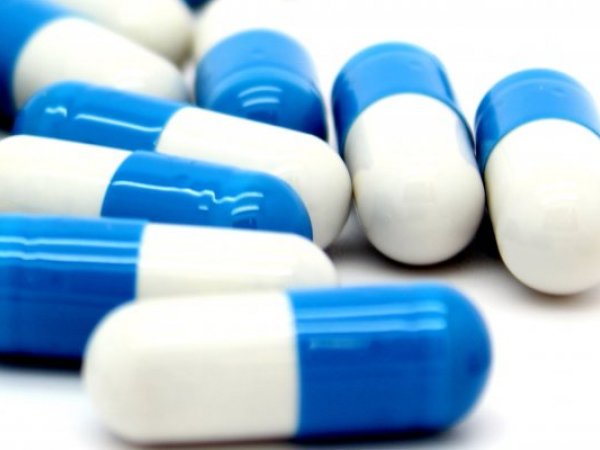
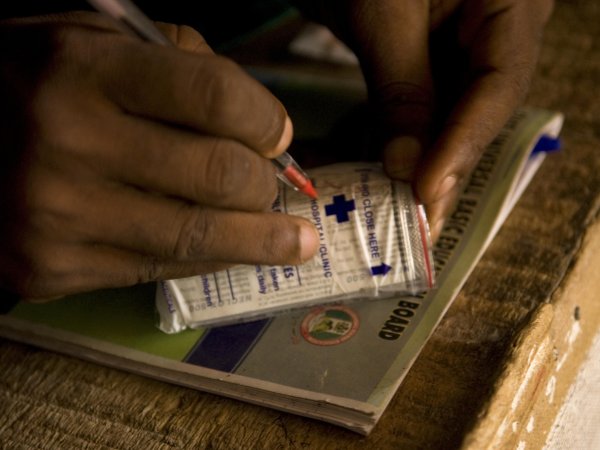
New project supports detection of poor quality medicines

The proliferation of poor quality medicines has been described as a global pandemic that threatens the lives of millions. A new project will assess a variety of portable and handheld devices used to assess the quality of medicines.

Pagination

  • First page « First
  • Previous page ‹‹
  • …
  • Page 13
  • Page 14
  • Page 15
  • Page 16
  • Current page 17
  • Page 18
  • Page 19
  • Page 20
  • Page 21
  • …
  • Next page ››
  • Last page Last »

  • Navigation
    • About
  • Contact
    • info@iddo.org
  • Socials
    • LinkedIn
  • Newsletters
    • IDDO Newsletter
IDDO Footer logo
© 2026 Infectious Diseases Data Observatory
  • Cookies |
  • Privacy Notice |
  • Accessibility |
  • Sitemap |
  • Terms of use