
Other diseases Logo
  • Scoping
  • Research
    • Melioidosis
    • Lymphatic filariasis
  • Scoping
  • Research
    • Melioidosis
    • Lymphatic filariasis
RETURN TO IDDO
RETURN TO IDDO LOGIN
Please note that the content has been automatically translated from English original. There may on occasion be slight inaccuracies in this automatic translation
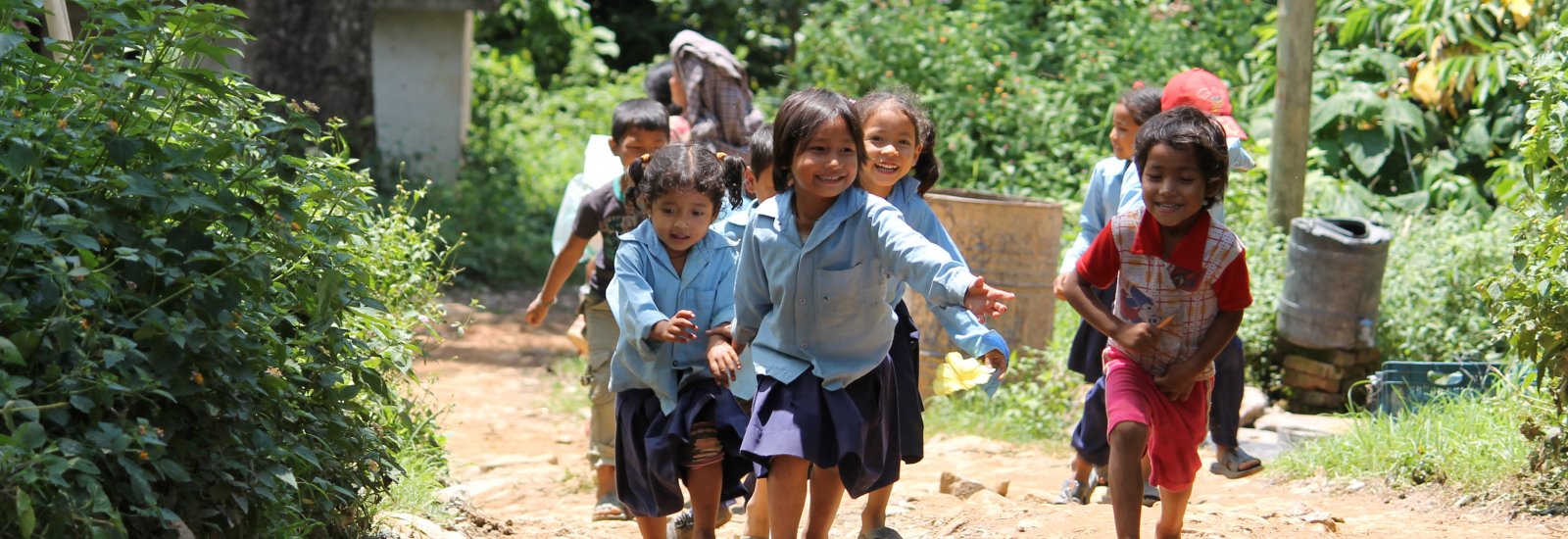
Photo © Aisha Faquir/World Bank
i
Photo © Aisha Faquir/World Bank
IIDDO is currently scoping several new poverty-related infectious disease themes. As part of this process, IDDO conducts a scoping and feasibility assessment to gain an understanding of the clinical data landscape for that disease and whether a data platform would be of value to help advance research and answer critical questions.
Melioidosis
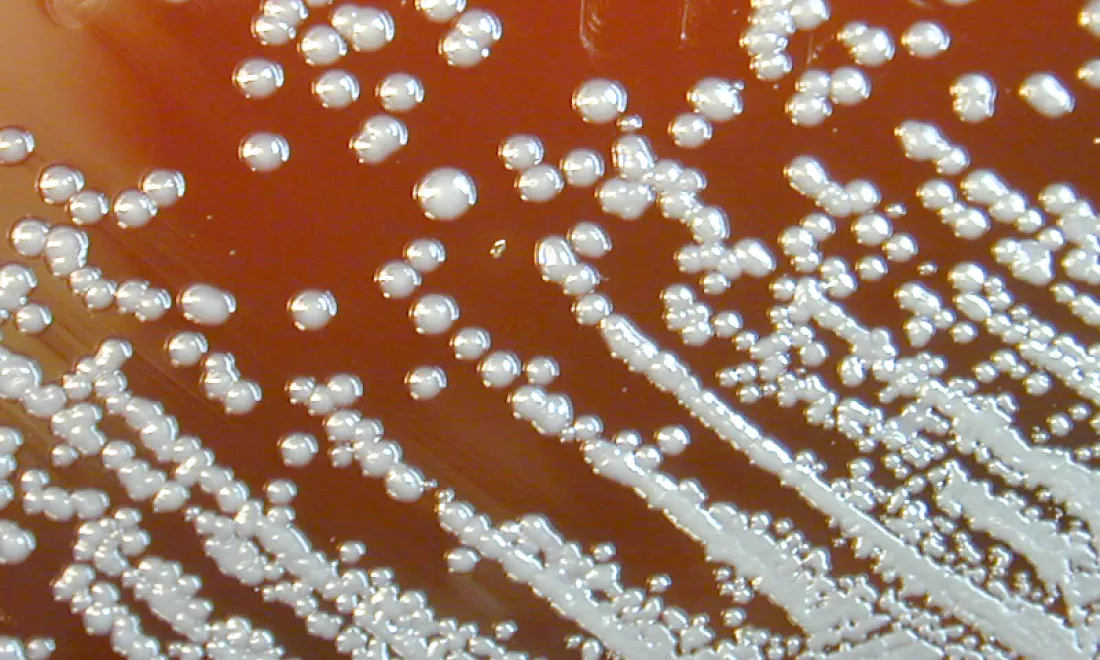
Burkholderia pseudomallei bacteria growth on a petri dish. CDC, Courtesy of Larry Stauffer, Oregon State Public Health Laboratory

Melioidosis is a potentially fatal infectious disease caused by the environmental bacterium, Burkholderia pseudomallei. Melioidosis is endemic in many tropical countries. The disease has very few specific clinical manifestations, and B. pseudomallei is intrinsically resistant to many commonly used antimicrobials. The mortality of patients treated inappropriately could be up to 90%.

Lymphatic filariasis
Group of young boys, India

Lymphatic filariasis (LF) is the single largest cause of chronic permanent disability globally. It is caused by thread-like worms and is spread to humans through infective mosquito bites. Approximately 863 million people in 47 countries are at risk of acquiring LF. It causes genital disease in more than 25 million men and limb lymphoedema in more than 15 million people. 

  • Navigation
    • About
  • Contact
    • info@iddo.org
  • Socials
    • LinkedIn
  • Newsletters
    • IDDO Newsletter
IDDO Footer logo
© 2025 Infectious Diseases Data Observatory
  • Cookies |
  • Privacy Notice |
  • Accessibility |
  • Sitemap |
  • Terms of use